Pumps are the workhorses of many industries – from construction sites to mining operations – yet an often-overlooked aspect of their deployment is proper pump flotation. Running a pump without adequate flotation support might seem trivial, but it can lead to a host of hidden problems that compromise performance, safety, and equipment lifespan. In this blog, we’ll uncover the technical, operational, and safety risks of operating pumps without conventional floats, and explain how these simple devices act as critical pump safety solutions. The outline will guide you through why using conventional float systems isn’t just an option – it’s a necessity for safe and efficient pumping.
The Hidden Risks of Running Pumps Without Proper Flotation
Even if a pump seems to operate “fine” without a float, unseen issues may be quietly damaging your equipment and operations. This section introduces the major risk areas – technical damage, operational inefficiencies, and safety hazards – that result from improper or absent pump flotation.
Technical Risks: Equipment Damage and Inefficiency
When a pump is not properly floated, it’s prone to several forms of internal damage and performance loss:
- Overheating and Dry-Run Damage: Submersible and centrifugal pumps rely on surrounding water for cooling and lubrication. If a pump isn’t kept at the correct water depth, it may run “dry” or partially dry, leading to rapid overheating and seal failure. In extreme cases, a pump running without water can suffer cavitation – the formation of air bubbles that implode inside the pump – which damages impellers and internal components while reducing efficiency. These effects aren’t always immediately visible, but drastically shorten the pump’s lifespan.
- Sediment Ingestion and Abrasion: Without flotation, pumps often sit on a pond or tank floor and suck in sediment, sand, and debris. Grit and solids erode the impeller and clog up the pump internals. Over time, this abrasive wear leads to reduced flow rates and can cause pump failure. (By contrast, pumps on floats draw cleaner water just below the surface, avoiding bottom muck – a floated pump “avoids the sediment and detritus” that sink to the bottom.) The hidden consequence of not using a float is accelerated mechanical wear, which may not be evident until a major breakdown.
- Reduced Pump Efficiency: A pump choked with debris or starved of water cannot perform optimally. When intake is partially blocked or the pump fights against suction issues, it consumes more energy for less output, quietly inflating your operating costs. In fact, running in suboptimal conditions like this can cause efficiency to plummet and even alter the pump’s operating curve. You might notice higher electricity bills or weaker pumping performance long before you realize improper flotation is the culprit.

Operational Challenges: Maintenance, Downtime, and Costs
Improper pump floatation doesn’t just hurt the pump itself – it creates ripple effects in your day-to-day operations:
- Frequent Clogs and Maintenance: Pumps without floats are far more likely to clog with debris, leading to more frequent shutdowns for cleaning and repair. Each time a pump sucks up sludge or trash, an operator must halt production to unclog impellers or replace worn parts. This reactive maintenance eats into person-hours and maintenance budgets. In contrast, pumps mounted on conventional floats avoid most debris and can “keep the pump working smoothly for longer” with minimal intervention. The hidden risk here is the false economy of skipping a float – any upfront savings are erased by the higher maintenance costs and downtime resulting from clogs and breakdowns.
- Unplanned Downtime: If a pump overheats or fails due to insufficient flotation, you could experience sudden downtime. In a B2B context – whether dewatering a construction excavation or pumping process water in a plant – an unexpected pump outage can delay project timelines or halt production. The cost of these interruptions (missed deadlines, idle crews, or even regulatory fines in wastewater management) can far exceed the cost of a float. Unfortunately, these consequences often remain hidden until a failure occurs at the worst possible time.
- Shorter Equipment Lifespan: Pumps operated without floats tend to live hard and die young. The combination of thermal stress, cavitation, and abrasive wear means you’ll need to replace or overhaul the pump far sooner than expected. This not only incurs capital expense but also the logistical headache of frequently swapping out equipment. Many operators don’t realize that a simple flotation device could add years to their pump’s service life by preventing these issues.
Safety Hazards: Risks to Personnel and Site
Beyond equipment and efficiency, running a pump without proper flotation can create serious safety hazards – an aspect often underestimated until an accident happens:
- Pump Overheating and Fire Risk: A dry-running or jammed pump can overheat to the point of igniting nearby materials or its own components. Overheating pumps may lead to mechanical failures or even fires, especially with large industrial pumps. This poses obvious dangers to personnel and facilities. For example, a pump motor that burns out could start an electrical fire, or a pressurized fitting could burst. In one industry article, experts warned that an overheated pump not only fails internally but can also “put employees at risk” and pose fire hazards to the facility. The absence of a float, which might have prevented a dry run, becomes a critical safety oversight.
- Instability and Handling Dangers: Without a float to stabilize it, a submersible pump might tip, roll, or get stuck in muck. This makes retrieval and handling dangerous – workers may need to manually lift a heavy, slippery pump from a pit or pond, risking back injuries or falls. There’s also danger of entanglement or electrocution if an unfloated pump’s power cable gets damaged by movement or abrasion on a rough bottom. Proper flotation keeps the pump stable and visible at the surface, reducing the need for hazardous manual intervention (no one has to wade into unknown water or enter a confined space to fix a sunken pump).
- Environmental and Compliance Issues: In certain applications (such as wastewater or mining), a pump failure caused by improper flotation can result in environmental spills or flooding. For instance, if a lift station pump fails because it wasn’t floated and overheated, the overflow of sewage could cause environmental contamination – a safety risk for the public and a compliance nightmare. This kind of risk isn’t immediately obvious when deciding to skip a float, but it can result in significant liabilities.
How Conventional Floats Mitigate Pump Risks
Having identified the pitfalls, this section explains how conventional floats directly address each of those risks. It will describe what a conventional float system is and how it works as a pump safety solution, providing stability, proper positioning, and peace of mind.
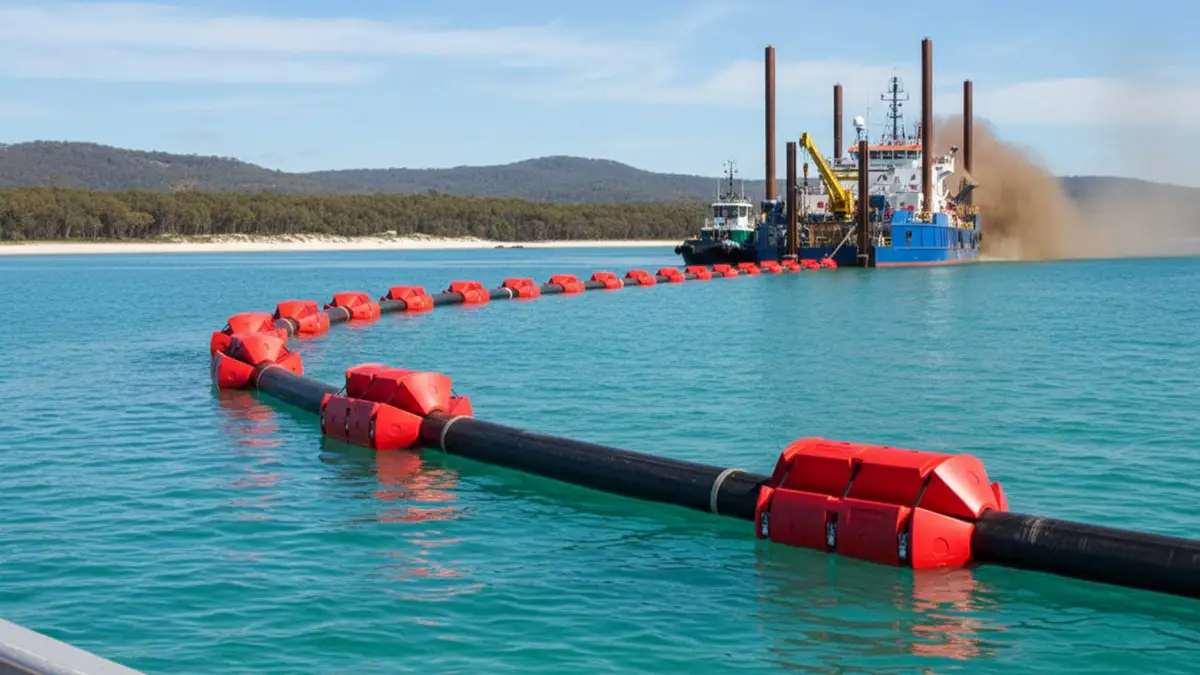
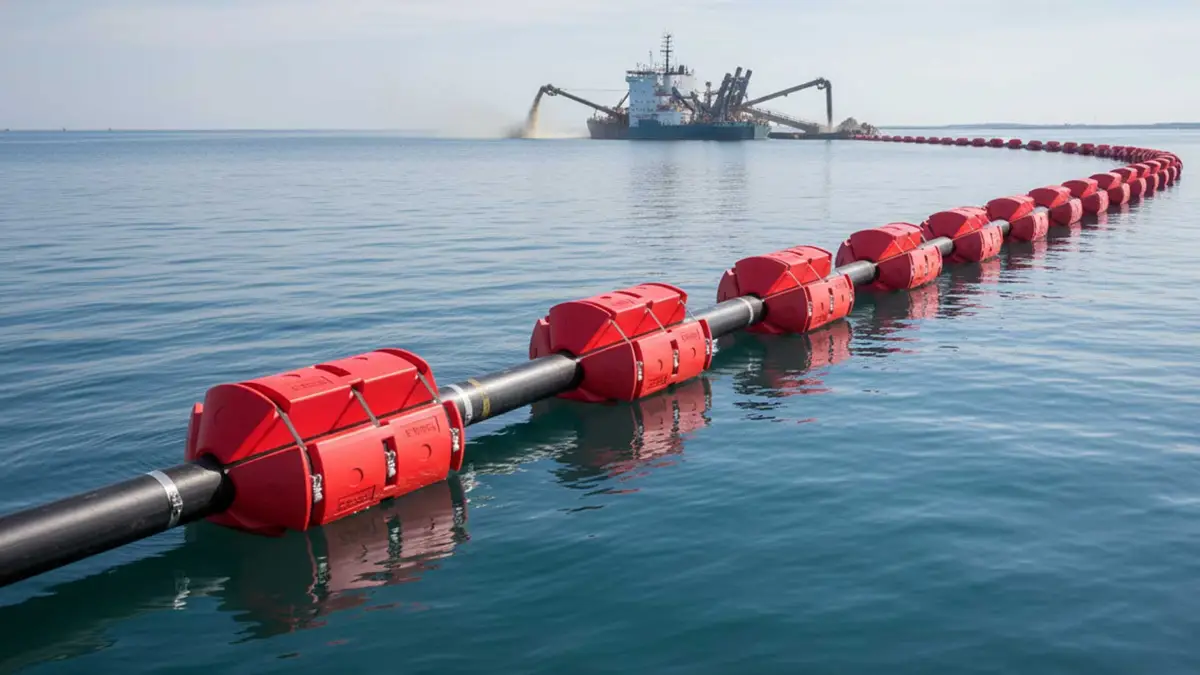
Overview: Conventional floats are buoyant platforms or devices that attach to a pump, keeping it suspended at the optimal water level. By doing so, they ensure proper pump floatation at all times – an elegant solution to the problems outlined above. Below, we break down the specific benefits of using floats and how they safeguard your pumping operations.
Maintaining Optimal Pump Floatation and Prime
One of the primary roles of a float is to keep the pump consistently submerged at the right depth. Conventional float systems automatically adjust to changing water levels, so the pump inlet stays submerged and maintains prime even as levels fluctuate. This means no more worrying about the water level dropping below the pump intake – the float rises or falls to follow the surface. By preventing dry-run conditions entirely, floats protect the pump from overheating and cavitation, as discussed earlier. In other words, a float guarantees the pump always has enough water to do its job safely.
Moreover, because the pump is always at the surface, there’s better access to air for priming in pumps that require it (for example, some trash pumps). The float effectively eliminates the risk of lost prime that can happen when a pump is fixed in place, and water recedes. This operational stability directly translates into more consistent performance and fewer emergency shut-offs.
Preventing Clogs and Wear with Elevated Intake
Conventional floats excel at keeping the pump’s intake above the bottom, dramatically reducing debris ingestion. By drawing water from just below the surface, a floated pump avoids the sludge, sand, and trash at the bottom – thereby greatly reducing the risk of clogging. Less grit through the pump means less abrasive wear on impellers and seals, so the equipment stays in good condition much longer.
The effect is that maintenance becomes more preventative than reactive. Instead of unclogging impellers weekly, your team might only need to inspect the pump periodically because it’s not sucking up junk every day. This not only cuts down maintenance labor and spare parts costs, but also keeps the pump’s performance consistent and efficient over time. (In fact, because of this debris-avoidance, floating pumps “last longer and don’t need much maintenance” compared to pumps without floats.) For facilities that demand reliability, using floats is a simple way to fortify pumps against excessive wear.
Enhancing Stability and Operational Safety
A conventional float provides a stable platform for the pump, which has several safety and convenience benefits:
- Secure Positioning: The float keeps the pump upright, preventing it from burrowing into soft sediment or tipping over. This stability means hoses and power cables stay properly positioned (reducing strain and snags), and there’s less physical stress on pipe joints due to pump movement. The pump also won’t knock against basin walls or the floor, avoiding damage to both the pump and the structure.
- Easier Access and Handling: With the pump floating at the surface, inspection and retrieval become much safer. Operators can often access a floating pump by boat or from the shoreline using guide ropes, instead of entering the water or a confined sump. Routine tasks like clearing an inlet screen or pulling up the pump for service are simplified – the float often has handles or tether points for this purpose. This reduces the risk of worker injury by minimizing heavy lifting and deep confined-space entries.
- Reduced Accident Risk: Because floats prevent many failure modes (such as sudden pump seizures or bursts), they indirectly reduce the risk of accidents, such as pipe ruptures or electrical hazards. For example, if a pump on a float starts to malfunction, it’s visibly bobbing at the surface where an operator can spot unusual behavior quickly (e.g., abnormal vibration or sounds). In contrast, a submerged pump sitting at the bottom could fail without immediate notice. In safety-critical operations, these subtle differences matter – a float can buy you precious time to shut down a pump before a minor issue becomes a major incident.
In summary, conventional floats act as a pump safety solution by providing physical stability and making the pump’s operation more predictable and controllable. Companies that prioritize on-site safety and smooth operations consider floats an essential part of their pump setups, not an optional add-on.
Improving Pump Efficiency and Longevity
By mitigating the issues above, floats also deliver gains in efficiency and lifespan:
- Energy Efficiency: A pump that isn’t struggling with clogs or fighting to lift water from an unnecessarily low position will operate closer to its best efficiency point. In fact, floating a pump near the surface can reduce the vertical lift required; one manufacturer notes that because the pump sits closer to the water surface, it requires less energy to lift water, lowering power usage and operating costs. Over time, these energy savings are significant for high-duty-cycle pumps common in industrial settings. Simply put, a float allows the pump to do the same work with less effort.
- Extended Equipment Life: All the protective effects of floats – better cooling, fewer clogs, less vibration, no dry-running – add up to a pump that lasts much longer. Pumps on conventional floats avoid the premature seal failures and impeller replacements that plague poorly supported pumps. The result is fewer repair/replacement cycles, maximizing your asset life cycle. As evidence, field-floated pumps often show significantly less wear after years of service than similar pumps operated without proper flotation. This longevity means a better return on investment for expensive pumping equipment and frees your maintenance team to focus on other tasks rather than constant pump repairs.
- Consistent Performance: A float helps the pump deliver steady, reliable performance. Flow rates and pressures remain more consistent because the pump isn’t intermittently starving for water or choking on debris. This consistency can improve the quality of processes downstream (for example, in a manufacturing plant, a steady water flow can be crucial for cooling or material transport). It also simplifies pump control and automation – with a stable floating pump, automatic controls (such as VFDs or level sensors) receive more predictable feedback, which improves overall system efficiency.
Best Practices for Proper Pump Floatation
Having recognized the importance of conventional floats, this section offers practical guidance on implementing them effectively. It ensures the blog balances education with actionable advice.
When integrating float systems into your pump operations, keep these best practices in mind:
- Choose the Right Float for Your Pump: Floats come in various designs (plastic pontoons, metal rafts, inflatable bladders, etc.) and buoyancy ratings. Select a float system rated for your pump’s weight and the environment. For instance, a heavy industrial pump may need a robust multi-pontoon float, whereas a smaller irrigation pump might use a simple single-float. Ensure the materials are suitable for the liquid (e.g., corrosion-resistant for wastewater or UV-resistant if used outdoors).
- Secure and Position Correctly: Proper installation is key. Attach the pump firmly to the float, and use tethers or mooring lines to keep the float in place (so it doesn’t drift into bank walls or intake structures). The tether should allow vertical movement with water level changes but prevent excessive wandering. Also, position the float where the water is deepest and cleanest if possible (away from corners or sludge accumulations).
- Use Intake Screens or Strainers: Even with a float, it’s wise to have a strainer on the pump intake to catch any floating debris. Conventional float kits often include a screened intake, or you can add one. This extra layer of filtration further reduces the risk of clogging without hindering performance. It’s a simple addition that keeps trash (like leaves, plastics, or aquatic weeds) out of the pump.
- Integrate Automatic Shut-offs (Float Switches): Electrical float switches or level sensors complement the mechanical float by cutting power if water levels drop too low. This dual approach is belt-and-suspenders for pump safety. As one guide suggests, installing a float switch or low-water sensor will prevent the pump from running when water levels drop – an important fail-safe in case of extreme conditions (like a drought or unexpected drainage) that a float alone cannot solve. These pump safety solutions (note the keyword) ensure that even if a float fails or gets hung up, your pump won’t burn out.
- Regular Inspections and Maintenance: Treat the float as part of the pump system that needs routine checks. Inspect floatation devices for leaks, cracks, or biofouling (algae and muck buildup). Clear any debris from the float structure and ensure the pump intake screen is clean. Verify that tether lines are secure and not rubbing against sharp edges. It’s also wise to test the float’s mobility (does it move freely with changing water levels, or does it snag?). Periodic maintenance will ensure the float performs as intended for the long haul – much like any other safety equipment.
- Training and SOPs: Educate your operators about the float system. They should know how to safely deploy and retrieve floating pumps and be aware of signs of issues (for example, if they notice a float tilting or an unusual pump noise, they should investigate immediately). Incorporate float checks into your standard operating procedures (SOPs) for pump operation. A well-informed team will get the full benefit of the float, using it correctly and responding proactively to any anomalies.
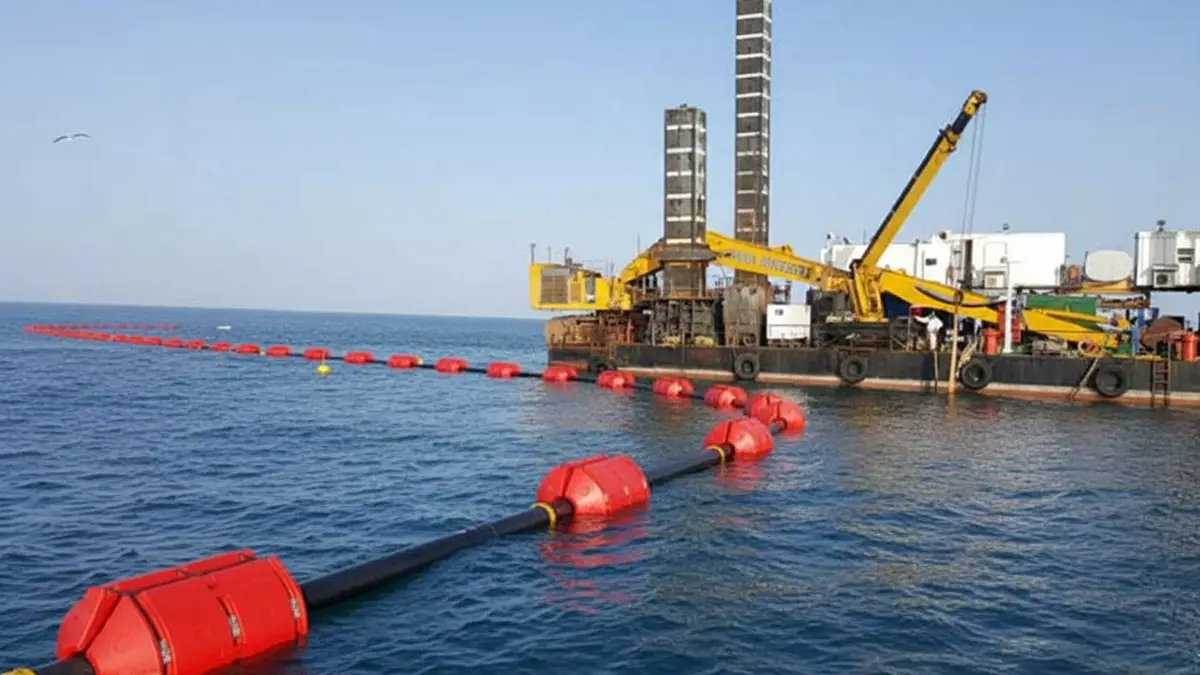
Conventional Floats as a Foundation for Safer, More Reliable Pumping
Conventional floats may appear simple, but they play a vital role in protecting pump performance and safety. By maintaining proper pump floatation, they help prevent mechanical damage, avoid unnecessary downtime, and reduce safety risks that often go unnoticed until failure occurs. For B2B operations, investing in reliable float systems is a practical way to safeguard equipment, extend pump life, and keep operations running efficiently.
To strengthen your own pumping systems, now is the time to evaluate whether your pumps are adequately supported. The right flotation can prevent costly breakdowns and improve long-term reliability. For durable, industry-ready solutions, explore the options available at Pipe and Hose Floats, where you can find flotation systems designed to keep your pumps stable, efficient, and safe in demanding environments.